General Analysis
Packed file because of lack of functions
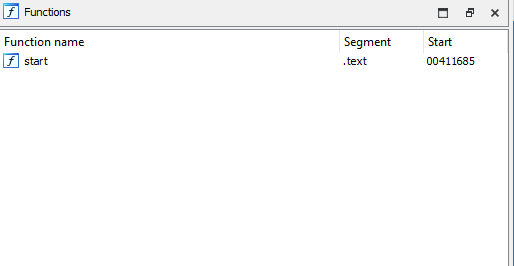
We can see the plain code by hitting space, and see the encrypted code segment
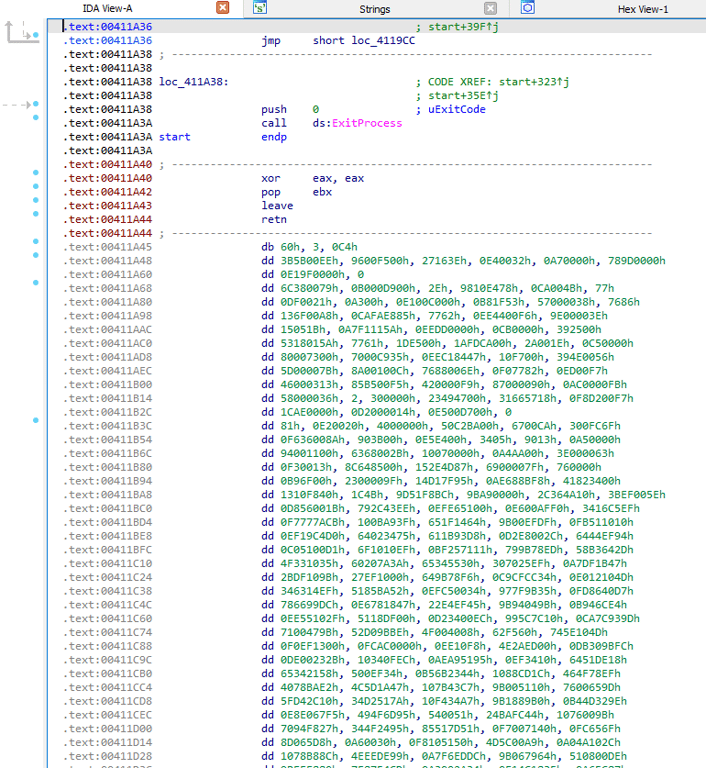
The file does some decryption of the actual program and runs it in memory
Static Analysis
Set a breakpoint on
jmp ebx and run the program (F9)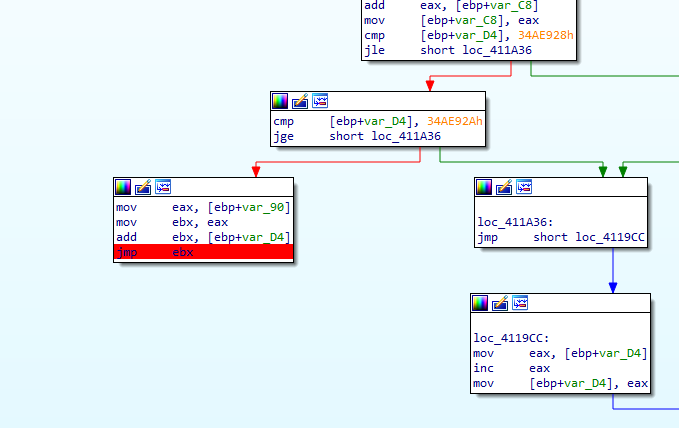
Step into the call (F8) until you reach
call eax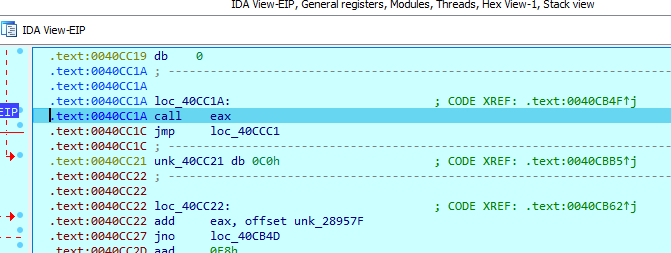
What this usually means is that the unpacker has finished unpacking, and now its calling the unpacked program
In this case,
eax points to VirtualProtect, which means that it’s changing the protection on a region of memory to inject their code for execution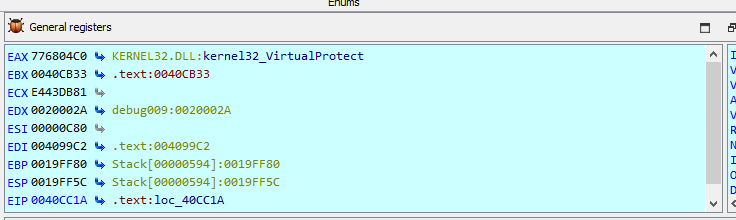
Looking at the stack, the first argument in the start of the memory region (
40000), the second argument is the size of the memory region (22000) and the last argument is the memory protect option (40) or RWX permissions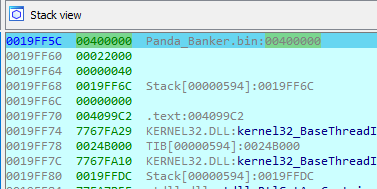
Dynamic Analysis (x32dbg)
Open the program in x32dbg and press
Run to user code to get to the main entry point of the application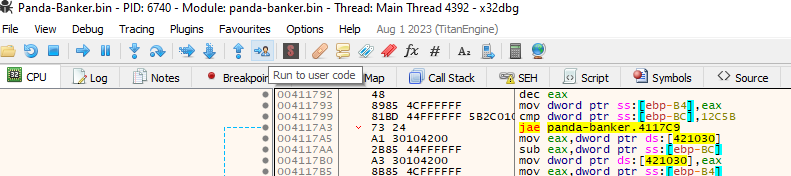
In IDA, the address of
jmp ebx was ending with 411A34. This address would be the same in x32dbg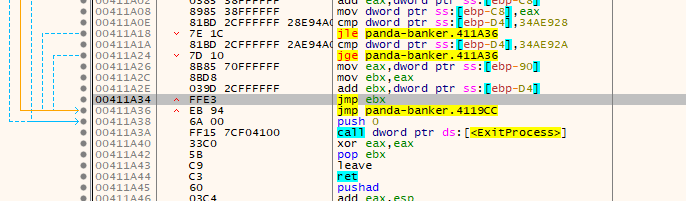
Set a breakpoint there and execute the program
On the console, run
bp WaitForSingleObject to set a breakpoint on that function
Run the code to hit the BP, then click
Run to user code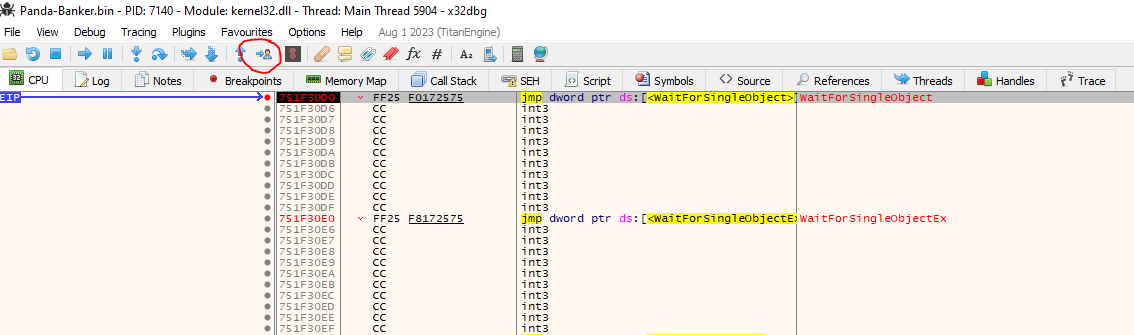
We are now in the unpacked code of Panda!
Analysis of unpacked code
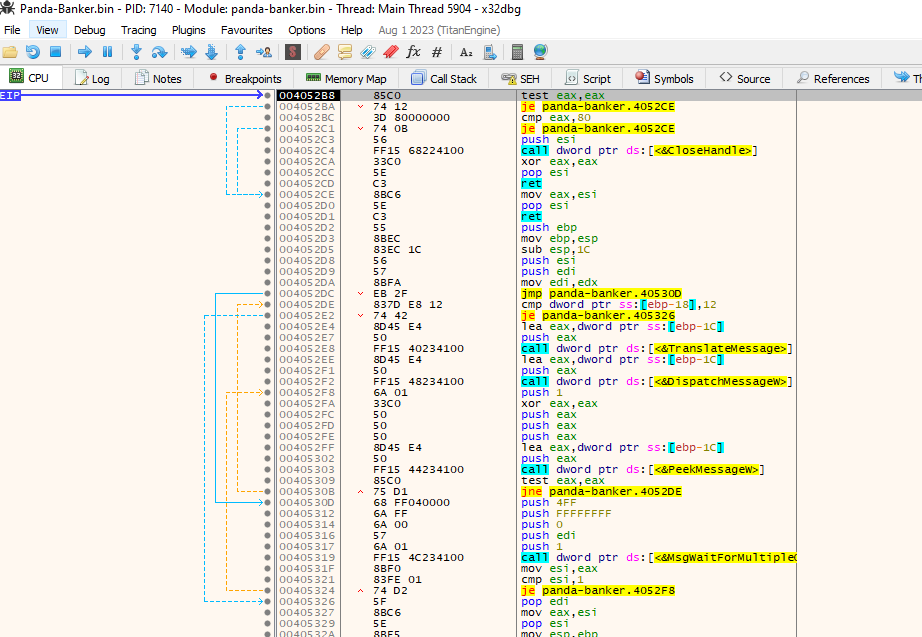
Checks for Installed Programs
It calls
CreateFileW to see if the files of programs are present on the machine. This is an anti-debugger technique, as normal machines won’t have WireShark or ProcessHacker installed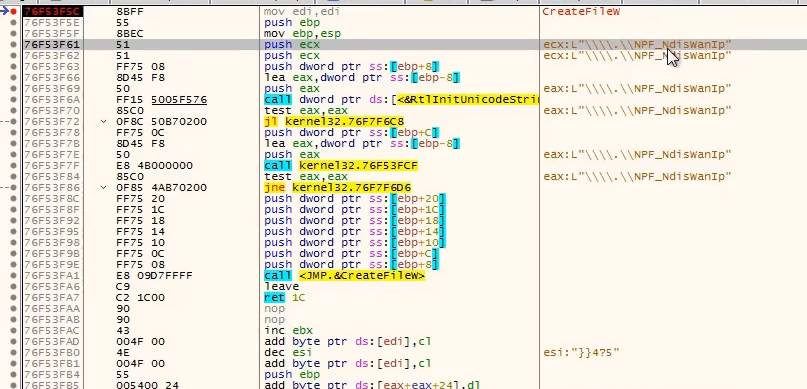
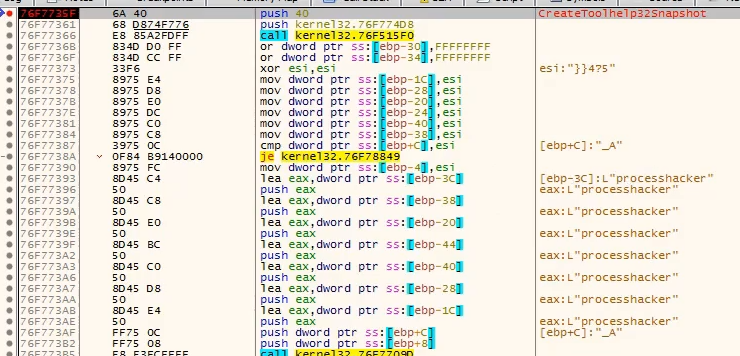
It also called
CreateToolhelp32Snapshot to get a list of running processes, and checks if certain programs are running. Also an anti-debugger technique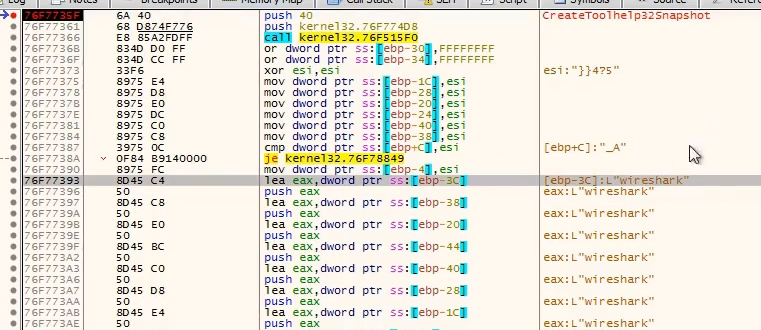
Copying itself to another location
The binary then creates a new file, and copies it’s entire contents to that file located at
~/AppData/Roaming/JetBrains/dotPeek/v183/It copies itself to
Internet Explorer.exe which is 145KB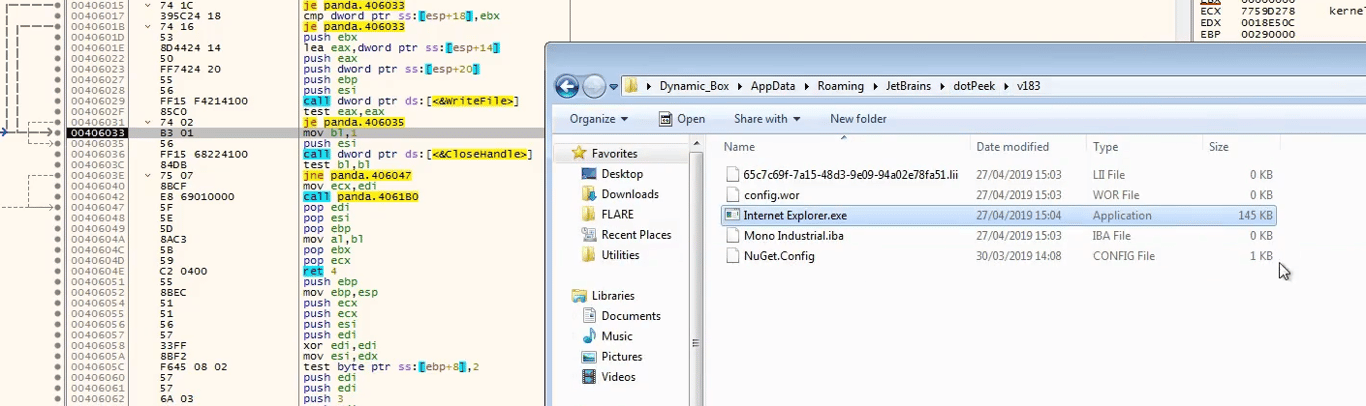
Calls
CreateProcessInternalw on Internet Explorer.exe to execute the program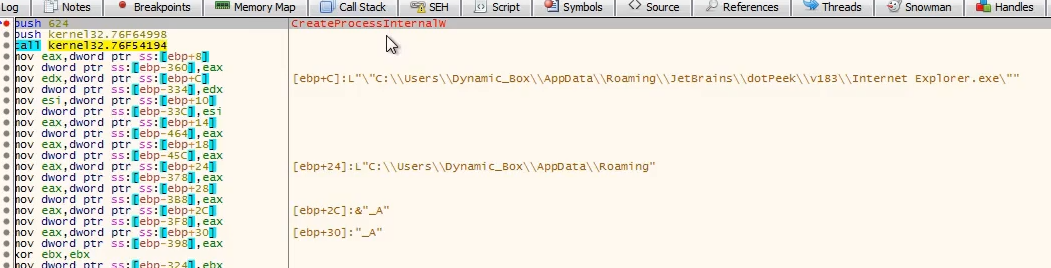
Debugging the copied program
When we attach the debugger to
Internet Explorer.exe, the control flow is different. This means that the binary was checking if we executed the file in the correct location.Now the application creates
svchost.exe, and it will start to inject code into it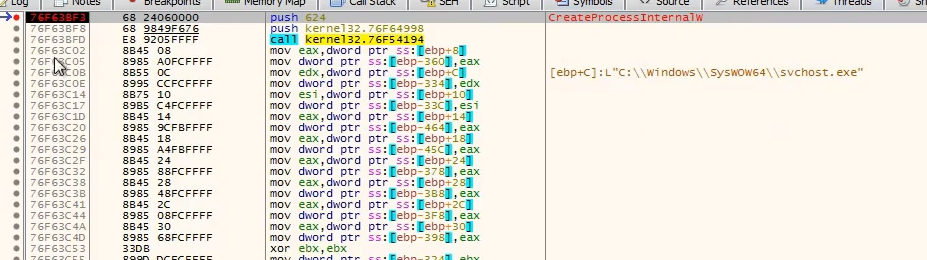
It calls
WriteProcessMemory to write code into the newly created svchost.exe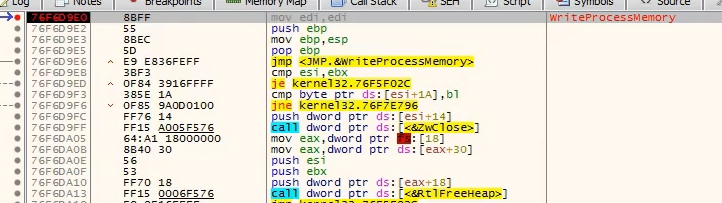
The initial memory space for
svchost.exe is completely empty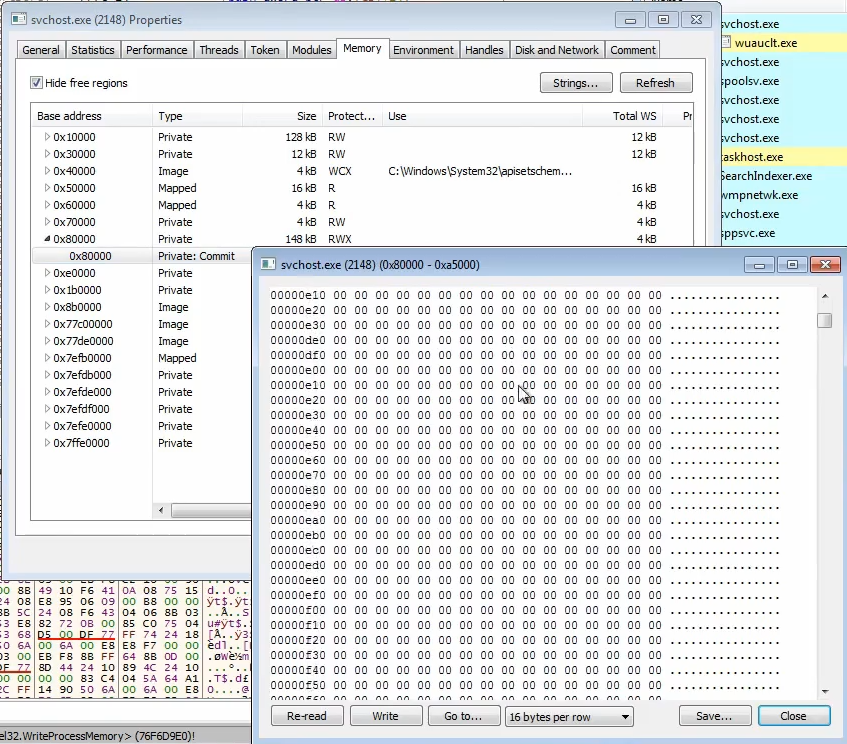
After
WriteProcessMemory is called, the contents are written to svchost.exe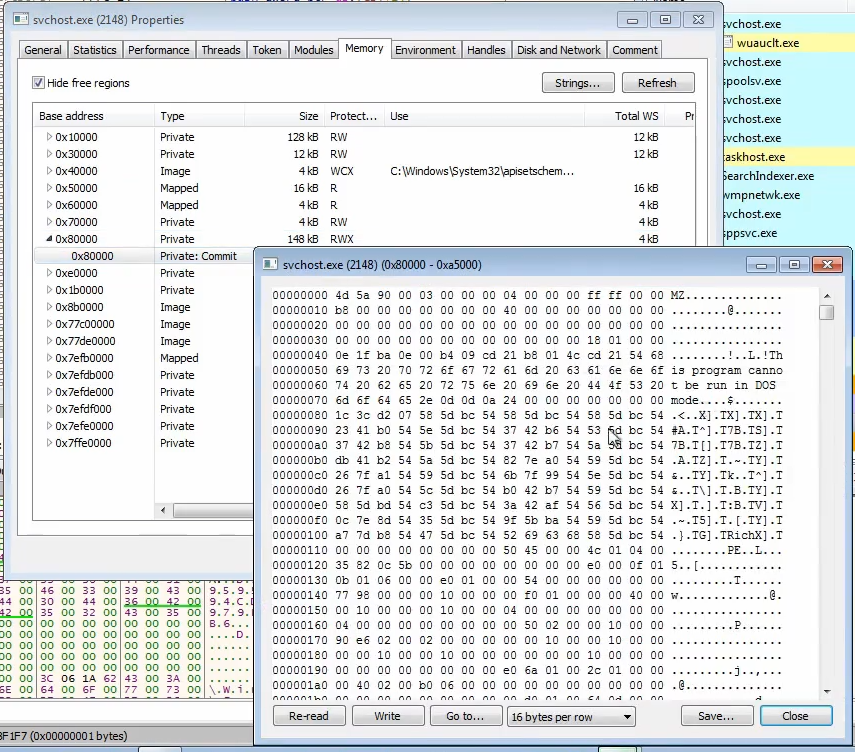
PandaBanker creates 2
svchost.exe.Fixing the import address with
PE-Bear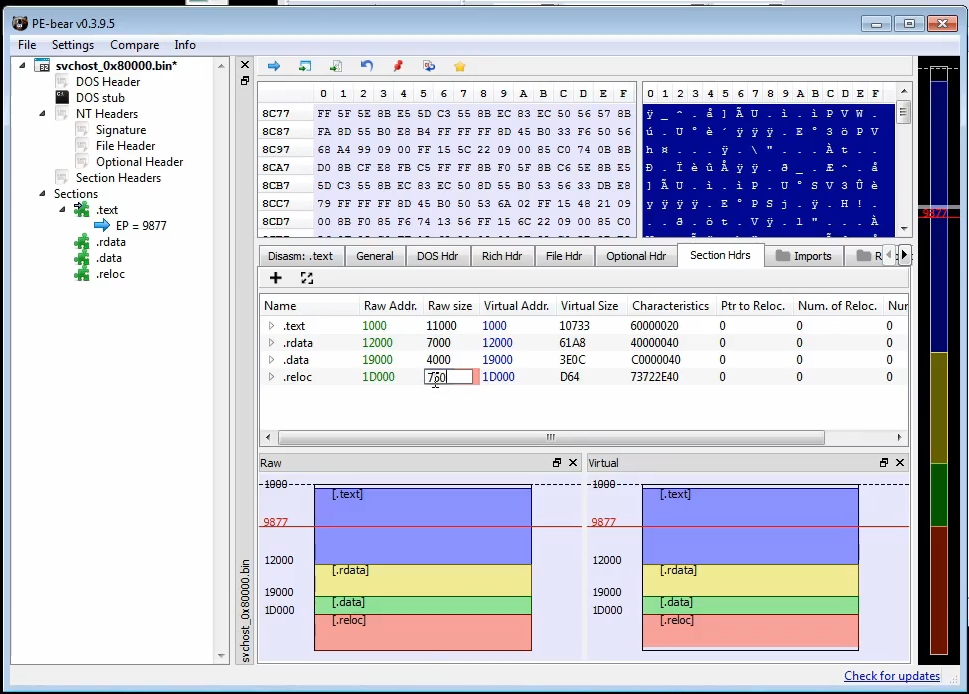
Analyzing the copied program in svchost.exe
Obfuscated way of calling
LoadLibrary -> GetProcAddress to get find library address, and then calls LoadLibrary to loads libraries into the executable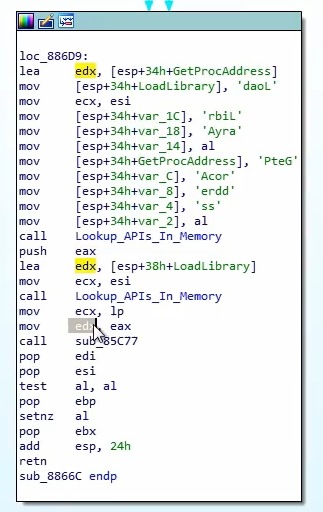
We see
0EDB88320 being called, which in cryptography, there is usually some fixed crypto constants for cryptographic functions. If we google for 0x0EDB88320, we see that CRC32 turns up. This means that this whole code block probably pertains to calculating a CRC32 value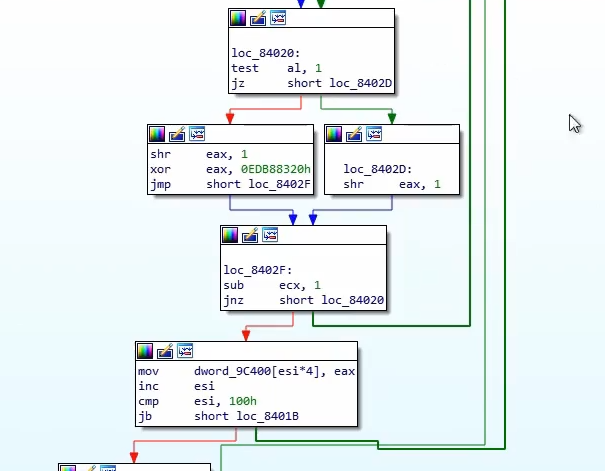
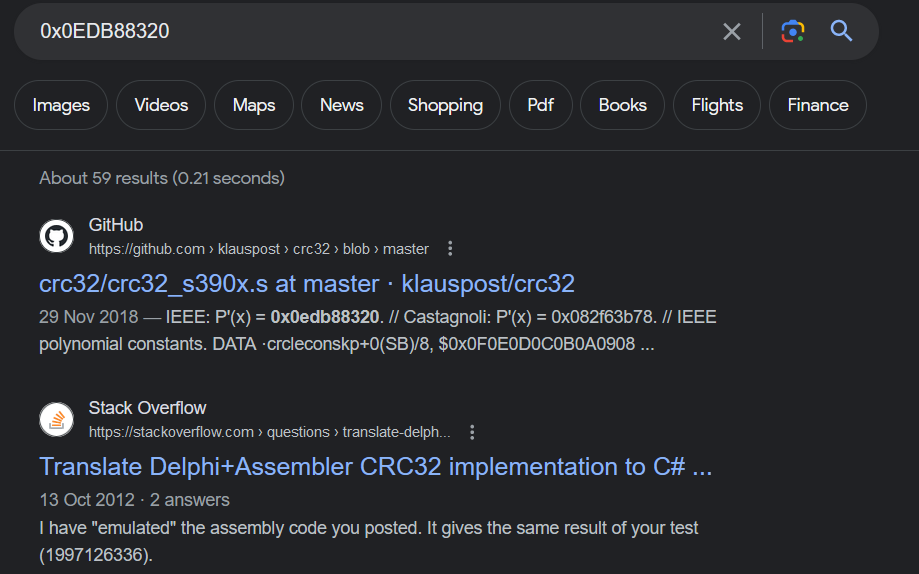
Some how you need to know that this code block is RC4
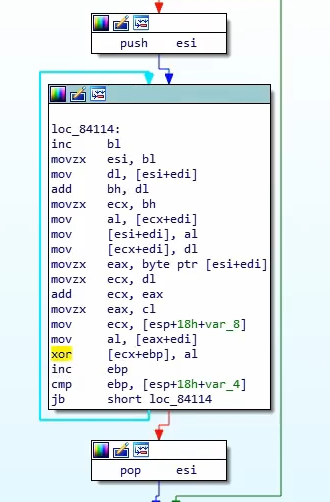
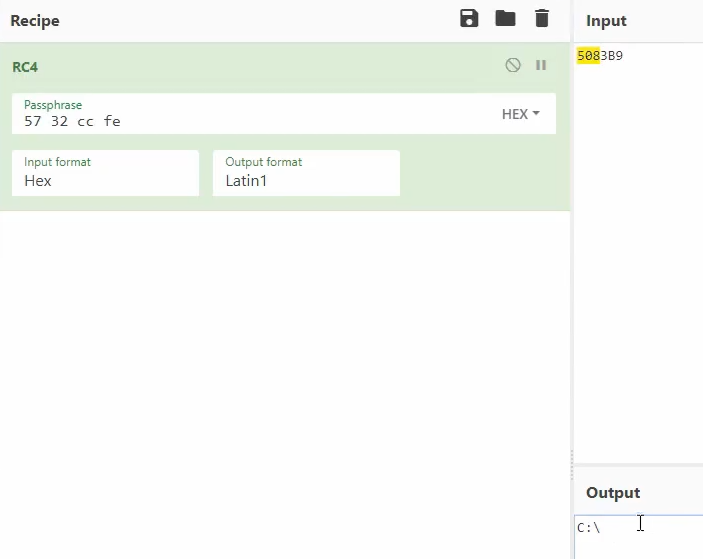
Calls RC4 decryption with key of
0x0FECC3257 (change the endianess), and we see it decrypting a string C:/, and it calls GetVolumeInformationW on C:/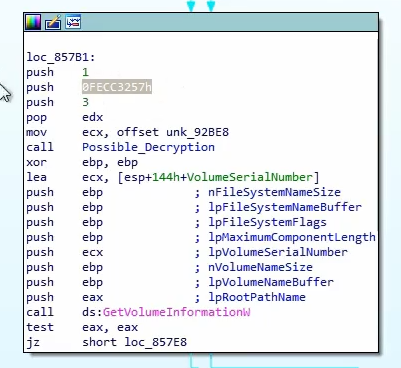
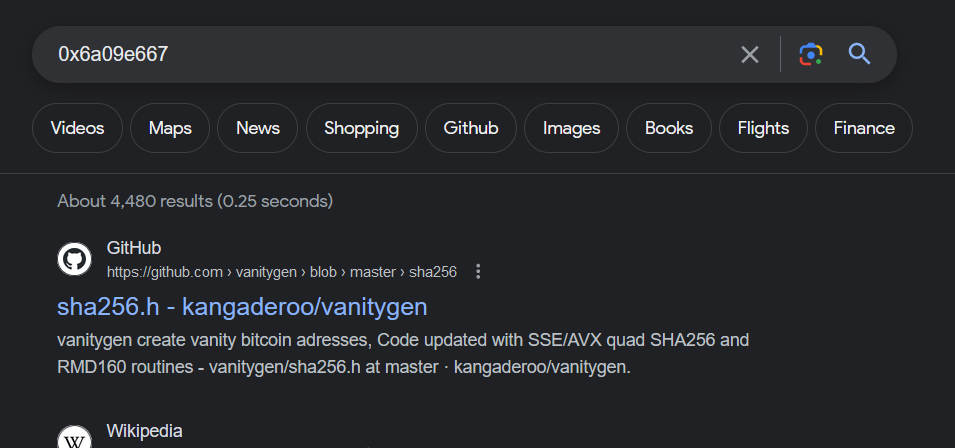
More crypto constants, this time related to
SHA256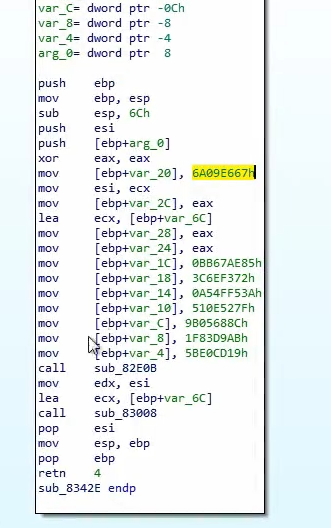
After we allowing the program to decrypt the strings, we can observe them in the application. For example we can start seeing strings like
InstallDate, Windows_NT_Current_Version, and DigitalProductID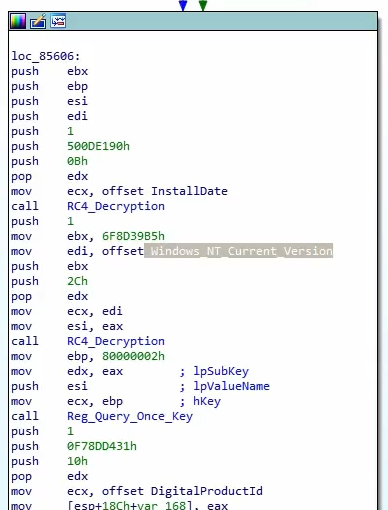
Checking if it’s running in a 64 bit environment
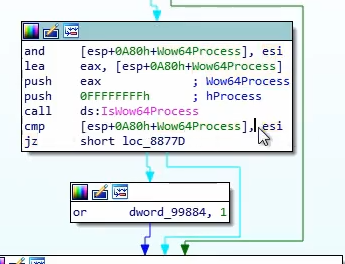
Creates an
exe file with the filename jumbled up using Mersenne Twister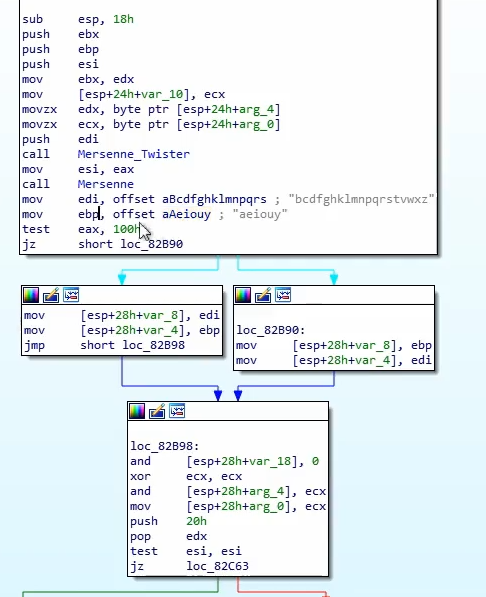
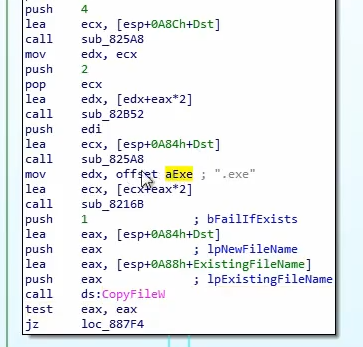
Executes the executable that was created
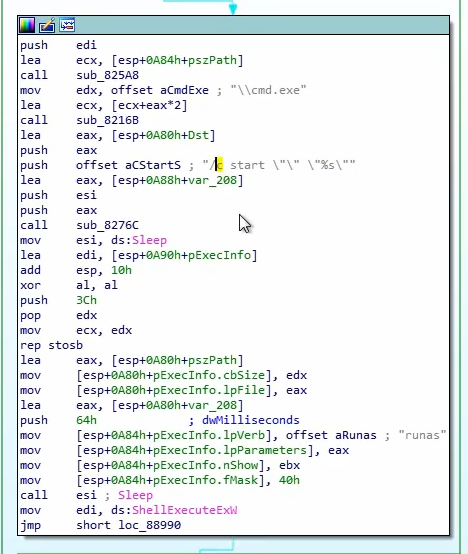
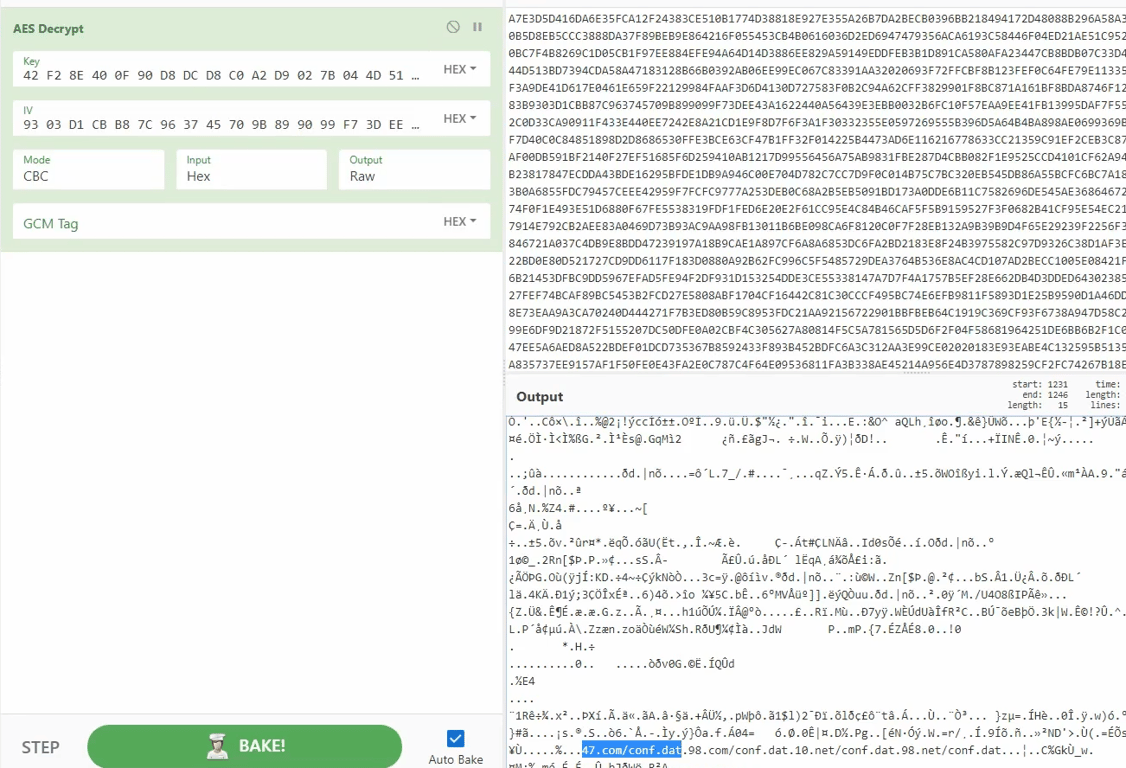
Loading the encrypted config contents for decryption. The encrypted config is
0x560 long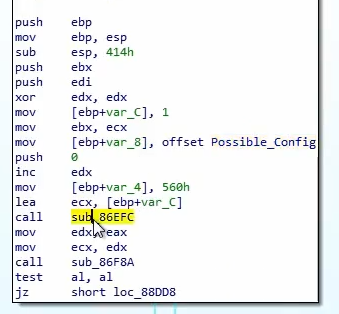
Contents of the encrypted config. The first 32 bytes are the SHA2 check sum of the remainder of the body
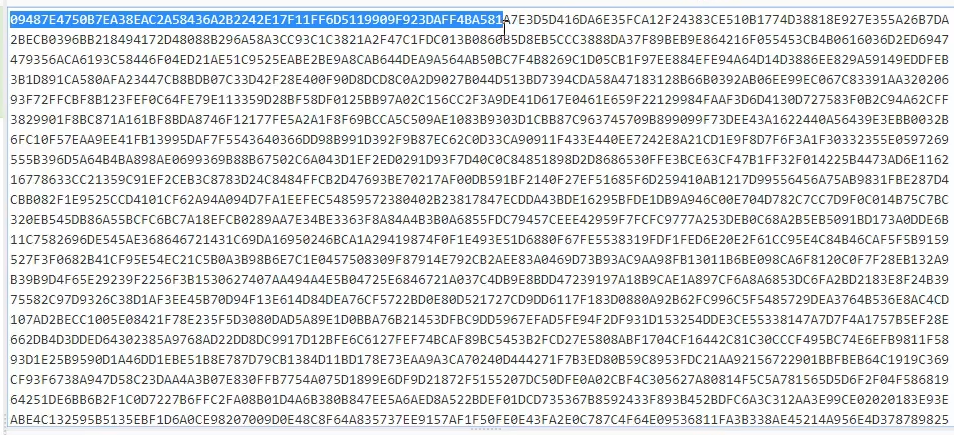
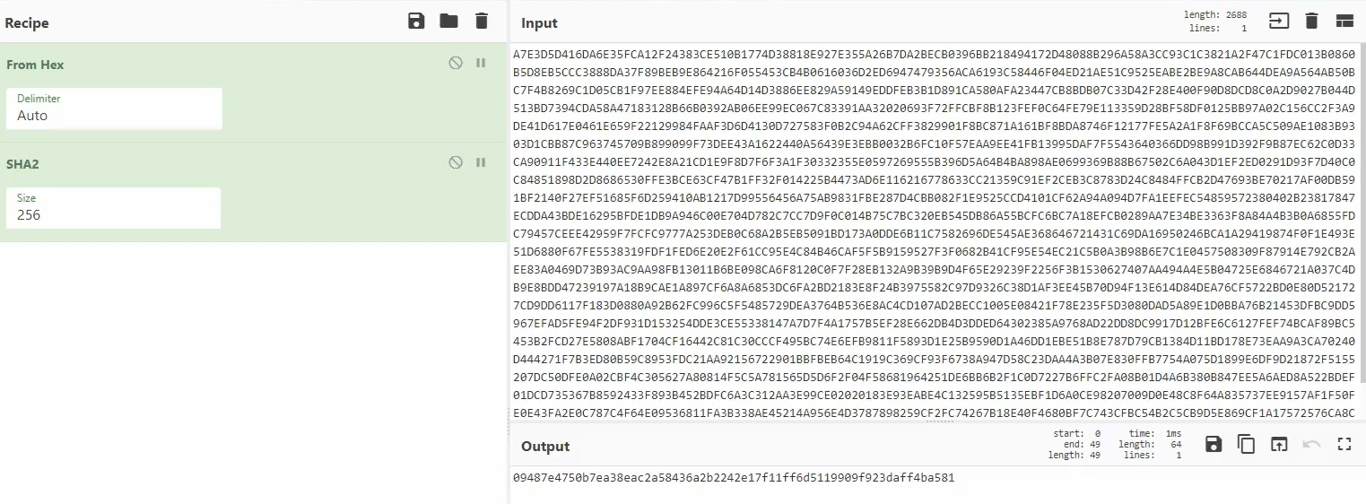
After finding the Key and the IV used for AES encryption, we are able to decrypt the body to get the config data
 Made with Bullet